Many potted plants or green plants are good helpers in home decoration, but not all of them are suitable for home decoration. Today, I'd like to talk about plants that are not suitable for indoor planting.
Plants not suitable for indoor planting: too strong fragrance
Some flowers smell too strong, can make people uncomfortable and even produce adverse reactions. Such as evening primrose, tulip, five color plum and other flowers.
The fragrant flowers are fragrant at night, especially at night, which is very harmful to people's health. Therefore, they should not stay in front of the flowers for a long time at night. Often cultivated for viewing. In South China, there are fried dishes with flowers and meat. Flowers can be steamed with sesame oil. Flowers and leaves can be used medicinally. They have the effects of clearing the liver, eyesight and removing Yi. They are used in the folk of South China for the treatment of conjunctivitis and infantile malnutrition. It grows in the hillside shrub, native to South China, and is cultivated in all provinces and regions of southern China. It is cultivated in tropical and subtropical Asia, Europe and America.
Plants not suitable for indoor planting: allergies
Some flowers can cause allergic reactions. Such as rose, jade clove, plum, hydrangea, geranium, Bauhinia, etc., people touch and touch them, often cause skin allergy, even red rash, itchy unbearable.
Plants not suitable for indoor planting: toxic
Some ornamental flowers and plants are toxic and should be placed carefully, such as Mimosa, poinsettia, Nerium, Rhododendron and zhuangyuanhong.
Oleander has large, gorgeous and long flowering period, which is often used as ornamental; the stem skin fiber is an excellent blended material; the oil content of seed is about 58.5%, which can be squeezed to produce lubricating oil. The leaves, bark, roots, flowers and seeds all contain many kinds of glycosides, which are highly toxic and can cause death to human and livestock. The leaves and stem bark can be used as a cardiotonic, but they are toxic and should be used carefully.
Plants not suitable for indoor planting: spines
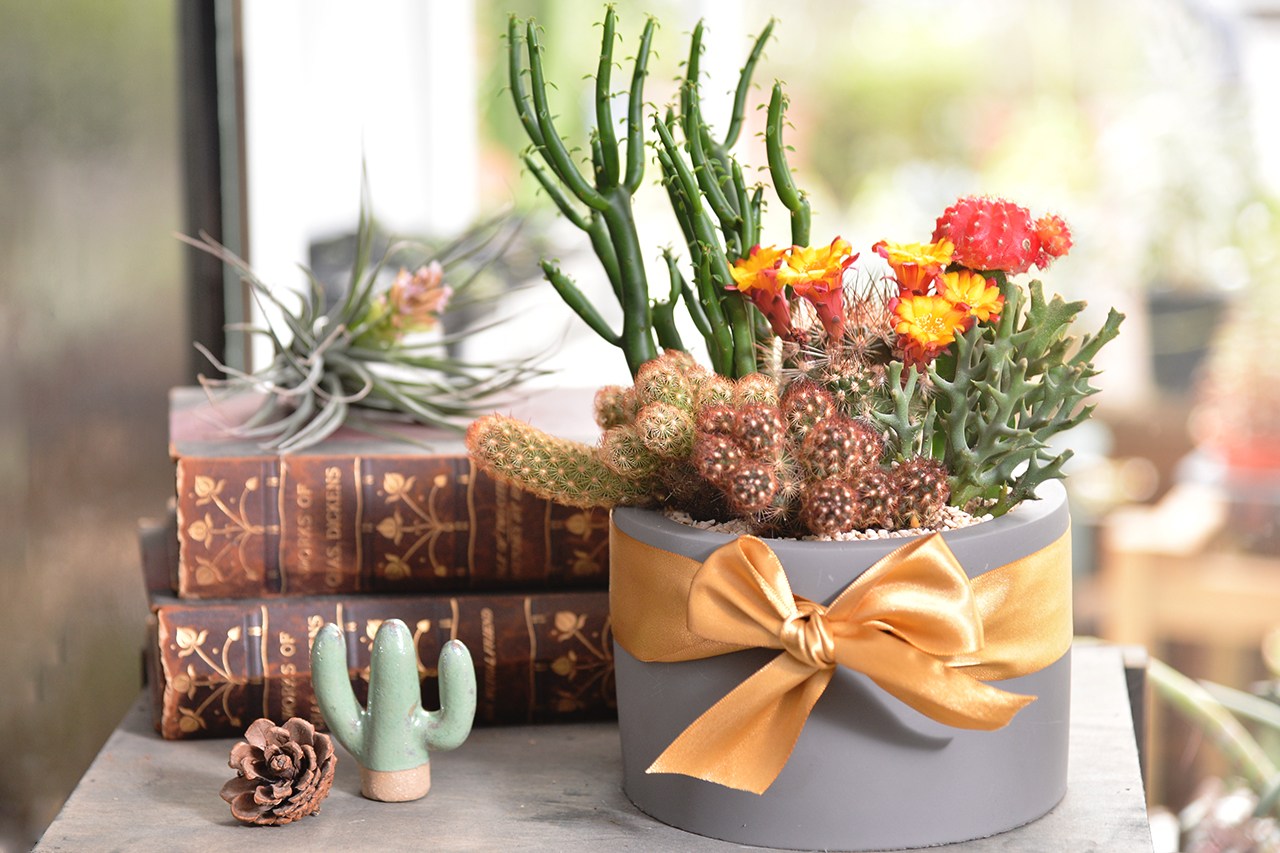
For example, cactus plants have spines, families with children or children's rooms should not be placed as far as possible. In addition, in order to be safe, the plants in the children's room should not be too tall, and do not choose the flowerpot rack with poor stability, so as not to hurt children.
Plants suitable for indoor planting
Cactus: especially often sitting in front of the computer friends, planting a cactus is the best choice, cactus can absorb carbon dioxide, release oxygen oh.
Chlorophytum: Chlorophytum is also a good choice. It can not only purify the air, but also be the introduction of traditional Chinese medicine, clearing heat and detoxification, nourishing yin and moistening lung.
Phyllostachys heterocycla: at night, it can absorb toxic gases such as carbon dioxide and reduce the probability of cold and typhoid fever. Therefore, planting asparagus is of great help to our health problems.
Phyllostachys: its function is similar to that of Chlorophytum. It can purify the air to protect our lungs, and it can also absorb carbon dioxide at night.
Wannianchun: it is most suitable to decorate our study and living room. Air purification, heat clearing and detoxification, blood stasis and pain relief are also of great help to our human health.
Notes on indoor planting plants
Chlorophytum, Clivia, aloe, cactus (ball), rose, pomegranate, tiger tail orchid, Milan, ivy and kumquat can purify the air, and are also suitable for potted and family planting. However, the ornamental value of these plants may not be as good as other plants, so they are not favored by young consumers.
Many florists use the psychology of consumers to alienate the function of plants to expand their sales.
Don't put too many plants indoors. In a room of 15 square meters, it is only suitable to put two pots of medium-sized plants.
For those plants that may cause allergic symptoms, consumers should query relevant information when raising them at home, and act according to their own physical fitness.
Flowers and plants do have the function of absorbing harmful gases, but not every plant can absorb harmful gases. It is even more impossible for a plant to absorb all harmful gases. Some plants not only can't absorb harmful gases, but also have toxicity. Consumers can't blindly believe the propaganda of florists when they buy flowers and plants. For example, the fragrance of night primrose is unique and pleasant. However, the pollen of night primrose is easy to cause allergy and cause skin inflammation; mint can clean the air, but can't kill bacteria; The air purification ability of Guanyin dripping water is relatively poor, and its leaves are poisonous; rosemary has a good smell and cannot remove formaldehyde.