In addition to the ornamental function of beautifying the home, indoor foliage plants can also absorb harmful gases such as carbon dioxide and formaldehyde, which can purify the indoor air and create a good environment. Indoor foliage plants can be seen almost every year, and are loved by people. They can be seen in families, hotels, buildings, offices and restaurants. There are many kinds of indoor foliage plants, and the difference is also very big. At the same time, the growth environment of different indoor locations is also very different. Therefore, indoor plants must be selected according to the specific location and conditions to meet the ecological requirements of the plant, so that the plant can grow normally, fully show its inherent characteristics, and achieve the best ornamental effect. Let's learn about indoor foliage plants!
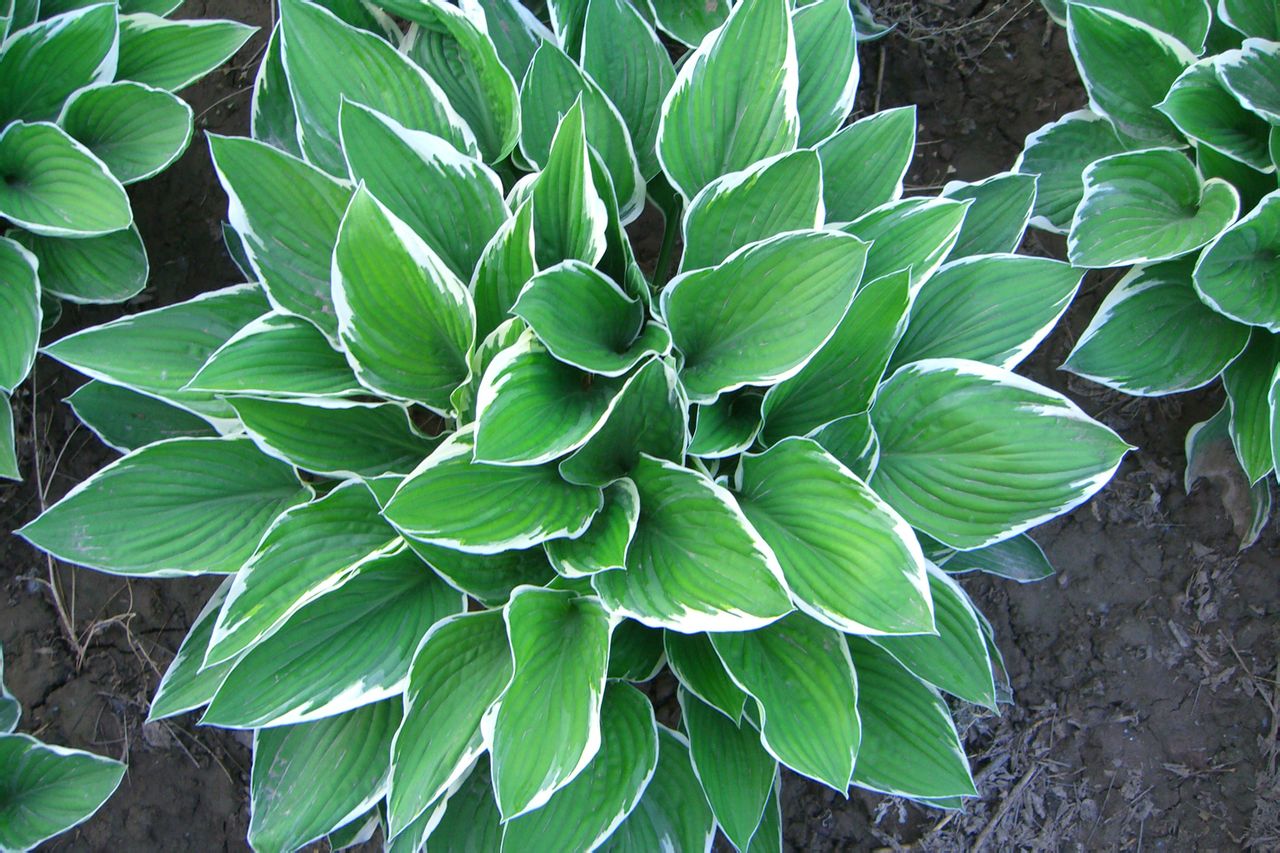
There are many kinds of indoor foliage plants, and the difference is also big. At the same time, the growth environment of different indoor locations is also very different.
1. Shade tolerant indoor foliage plants
It is the most shade tolerant species of indoor foliage plants, such as Aspidistra japonica, pteridophytes, white reticulated grass, tiger skin orchid, star anise, Saxifraga, etc. It can also be viewed for a long time under the extremely weak indoor light. It is suitable to be placed in the area far away from the window sill. Generally, it can be placed indoors for 2-3 months.
2. Semi shade resistant indoor foliage plants
It is a kind of indoor foliage plants with strong shade tolerance, such as millennial wood, bamboo taro, Xilin taro, green pineapple, basil, ivy, fortune tree, rubber tree, cycado, Zhujiao, Chlorophytum, Wenzhu, Diels, coarse rib grass, cold water flower, white crane taro, Douban green, turtle back bamboo, fruit taro, etc. It is suitable to be placed in the north facing windowsill or far away from the window with direct light. It can be placed indoors for 1-2 months.
3. Neutral indoor foliage plants
Indoor light is required to be bright, and there are some direct light every day, which are more light loving species, such as colorful leaf grass, taro, pukui, Agave, fishtail sunflower, Hedysarum, banyan, brown bamboo, longevity flower, yezihua, poinsettia, asparagus, cactus, duck plantain, etc. It is suitable to be placed in the area with light, and can be placed indoors for 3-4 months
4. Positive indoor foliage plants
Indoor light is required to be sufficient, such as chamaejas, rose, chrysanthemum, aryoca mizis, desert rose, Begonia, sycamore, dahlia, etc. It should be placed indoors for a short time. The storage period was about 10 days.
Diagnosis and treatment of common problems of indoor foliage plants
1. Over watering
① Check whether the drain hole at the bottom of the basin is blocked; ② if the soil hardens, change the basin in time; ③ pay attention to timely and appropriate watering, and generally pour after the surface of basin soil turns white and dry.
2. Too much light
Move the plant away from the window to avoid strong direct light, or close the curtain to reduce the light of the plant; if the light is illuminated by electric lamp, keep the plant away from the light source or change the low-power bulb to weaken the light.
3. Too little watering
Water must be poured immediately. When pouring water, it must be seen that the water flows out from the drainage hole at the bottom of the pot. After that, the water should be properly watered according to the different requirements of various foliage plants for water. If the damage situation of plants continues to develop, the plants should be moved to cool shade to reduce water transpiration.
4. Humidity too low
If possible, humidifier can be installed indoors to increase the humidity among plants.
5. Too little light
Move the plant near the window to get more light; if using electric light, move the plant close to the light source, or increase the lamp power and prolong the light duration.
6. Excessive fertilization
Add light to the plants, extend the fertilization cycle or reduce the fertilizer concentration by half; if salt spots have appeared, first use the irrigation method to solve the problem, and then water it after half an hour, so that the dissolved salt water can be discharged from the bottom hole of the pot, and the soil should be replaced if necessary.
7. Too little fertilizer
Increase the frequency and quantity of fertilizer, especially in the growth period of plants should ensure the supply of fertilizer.