As we all know, plastic bags are made of chemical elements, so they are not easy to dissolve. I checked the information, buried the plastic bags in the ground, it will take hundreds of years to complete the dissolution. Now people use the method of burning plastic bags, but because burning plastic bags will produce toxic gases, a small part of the land can not be planted, so they choose to burn in places where no one lives. Burning plastic bags will produce carcinogens in the smoke, which is extremely harmful to human health. Therefore, when burning, people will wear masks to avoid inhaling substances.
Don't pack food in plastic bags
Phthalic acid derivatives, many of which are esters, are insoluble in water, but soluble in heated or fatty food. If plastic bags are used as food packaging materials, special care should be taken when using them. Esters may dissolve in food. So try not to use them to hold food, such as meals, or hot food in plastic bags.
white pollution
The so-called "white pollution" is a kind of image appellation to the environment polluted by plastic waste. White pollution is a one-time degradable plastic packaging, such as disposable foam tableware as well as our commonly used plastic bags. It refers to all kinds of plastic products made of high molecular compounds such as polybenzene, polypropylene, polyvinyl chloride and so on, which are discarded into solid waste after use. Due to littering at random and its serious environmental pollution, it is difficult to decompose in the soil, which will lead to the decline of soil capacity. If it is burned, it will lead to air pollution. Therefore, it is advocated not to use this material or to buy things less It's better to bring your own tools to reduce the use of them.
The present situation and harm of "white pollution"
As a new type of material, plastic products have the advantages of light weight, waterproof, durable, mature production technology and low cost, which are widely used in the world and are increasing year by year. The growth rate of plastic packaging materials in the world market is higher than that of other packaging materials.
The main harm of "white pollution" lies in "visual pollution" and "potential harm"
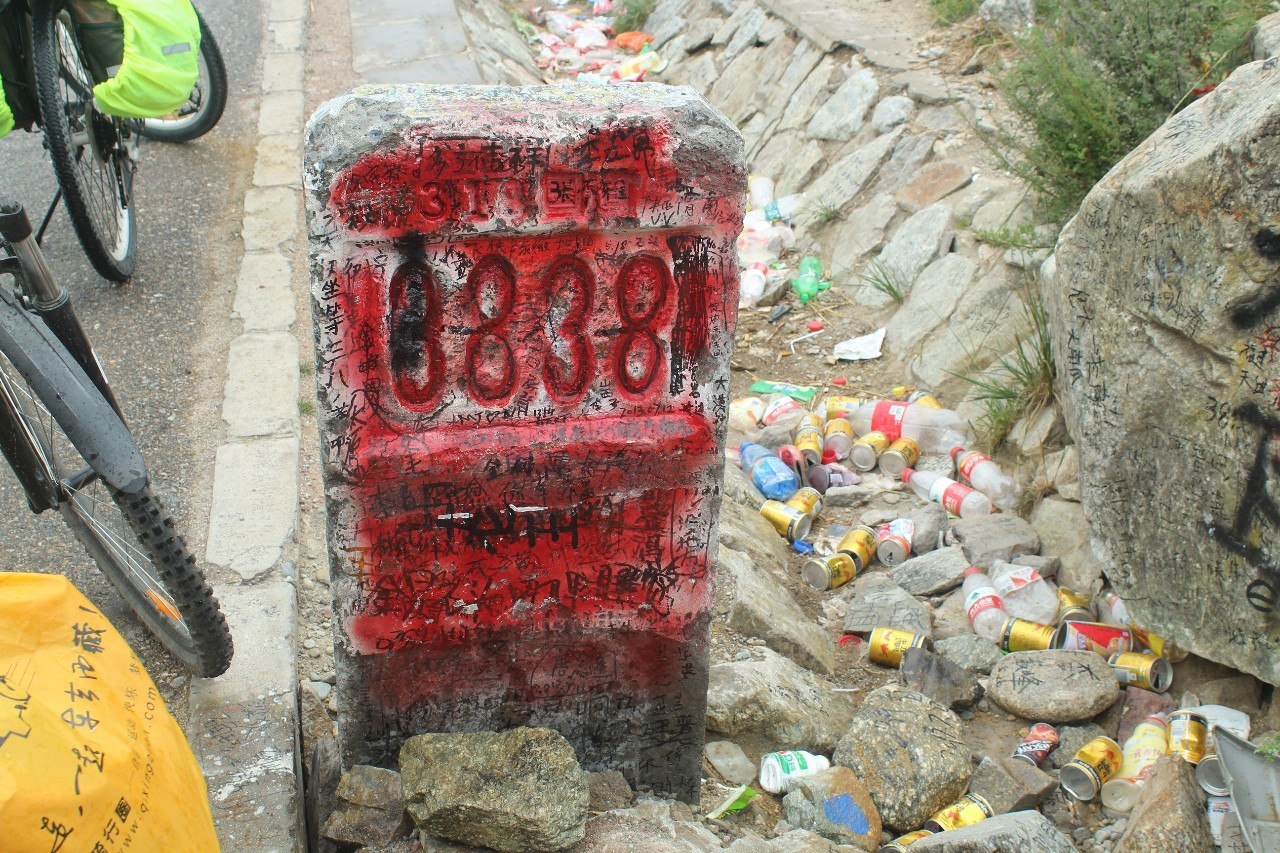
1. "Visual pollution.". The waste plastic packaging materials scattered in cities, tourist areas, water bodies and roads bring bad stimulation to people's vision, affect the overall aesthetic feeling of the city and scenic spots, destroy the appearance and landscape of the city, resulting in "visual pollution".
2. "Potential hazards". After the waste plastic packaging materials enter the environment, it is difficult to degrade, resulting in long-term and deep-seated ecological environment problems.
-1. Waste plastic packaging mixed in the soil will affect the absorption of nutrients and water by crops, which will lead to crop yield reduction.
-2. Waste plastic packaging discarded on land or in water is swallowed by animals as food, leading to animal death (which is common in zoos, pastoral areas and the sea).
-3. It is difficult to deal with the waste plastic packaging mixed with domestic waste: landfill treatment will occupy land for a long time, the domestic waste mixed with plastic is not suitable for composting treatment, and the sorted waste plastic is difficult to be recycled because of the quality assurance.
At present, the problem of "visual pollution" is strongly reflected by people, but most people still lack of understanding of the long-term and deep-seated "potential hazards" of waste plastic packaging materials.