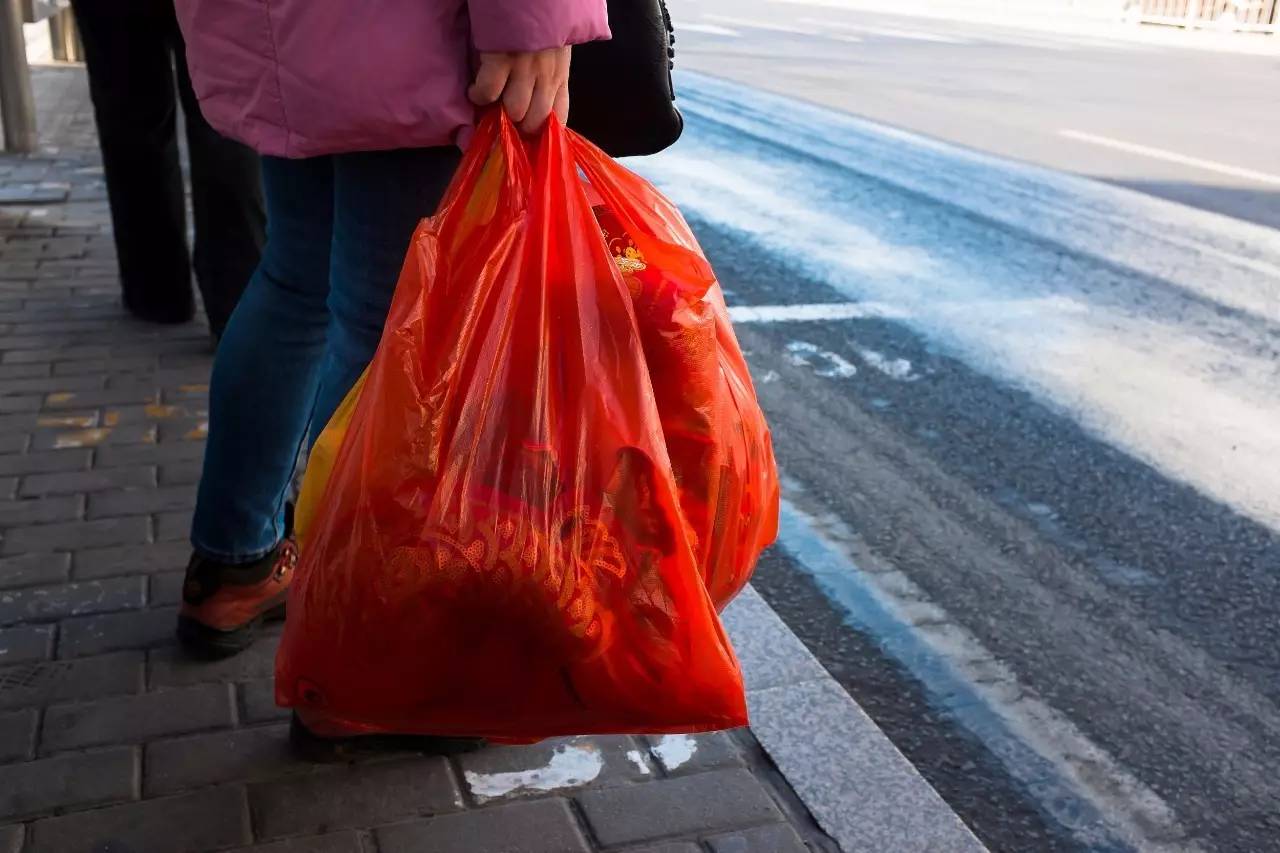
In addition to the pollution caused by the use of plastic bags on both sides of the road and in the process of recycling, the plastic bags also cause low pollution value in the urban areas. Plastic structure is stable, not easy to be degraded by natural microorganisms, not separated in the natural environment for a long time. This means that if the waste plastic waste is not recycled, it will become a pollutant in the environment and will exist permanently and accumulate continuously, which will cause great harm to the environment.
Influence on Agricultural Development
The accumulation of waste plastic products in soil will affect the absorption of nutrients and water, and reduce the yield of crops.
Threat to animal survival
Waste plastic products discarded on land or in water are swallowed by animals as food, resulting in animal death. Sheep like to eat oily residues wrapped in plastic bags, but they often eat them with plastic bags. Because the plastic they eat remains in their stomach for a long time and is difficult to digest, their stomachs are full and they can't eat any more. Finally, they have to starve to death. Such things are common in zoos, pastoral areas, rural areas and the sea.
Waste plastics will not only occupy a large amount of land with landfill, but also the land occupied will not be restored for a long time, which will affect the sustainable use of land
If the waste plastic products entering the garbage are landfilled, they will not degrade in 200 years. Moreover, plastic bags, which are made of petroleum, not only consume a lot of resources, but also can't be decomposed. If they are buried underground, they will pollute the land and rivers. In addition, the plastic bag itself will release harmful gases. Especially cooked food, packaged in plastic bags, often deteriorates. The influence of deteriorated food on children's healthy development is particularly prominent.
Plastic bags consume a lot of energy
According to the calculation, every ton of plastic bags produced in China needs 3 tons of oil, and the consumption of plastic bags in China can be used for at least 3 million ordinary cars for 5 years.
Medical experts point out that food, especially cooked food, is often easy to deteriorate after being packed in plastic bags. People who eat such deteriorated food are likely to cause food poisoning symptoms such as vomiting and diarrhea. In addition, the plastic itself will release harmful gases, which will accumulate in the sealed bags for a long time, and the concentration will increase with the increase of sealing time, resulting in the food in the bags being polluted to varying degrees, especially to the health and development of children.
The plastic bags with very deep colors often used in the stall have great harm
It is made of recycled waste plastic products, which is very harmful to human body, and can not be used for direct import food; in addition, PVC plastic products cannot be used to store alcoholic food and oil-bearing food, otherwise the lead in the bag will dissolve into the food; at the same time, this kind of plastic bag can not put food with temperature above 50 ° C.
Insiders pointed out that the vast majority of plastic bags sold and used in the market are produced by small enterprises or family workshops all over the country, and a considerable number of them are recycled plastic products, which are recycled and processed by waste plastics collected from garbage stations, industrial wastes and plastic wastes discarded by medical institutions. Without disinfection, they are privately processed into food bags and put into the market
Toxic and non toxic plastic bags test method:
These recycled plastics contain serious bacteria and carcinogens. Packaging cooked food directly into the mouth with this kind of plastic products will cause extremely serious consequences to the health of consumers. Such plastic bags contain a large number of bacteria that can not be seen by the naked eye. Long term use of such disposable plastic food bags can easily lead to chronic food poisoning. In this regard, consumers can use the following methods to detect toxic and non-toxic plastic bags:
Sensory test method:
The non toxic plastic bag is milky white, translucent, or colorless and transparent, flexible, and has a sense of lubrication and wax on the surface; the toxic plastic bag is turbid or yellowish in color, and the hand feels sticky.
Water detection method:
Put the plastic bag in the water and press it into the bottom of the water. The proportion of the non-toxic plastic bag is small, and it can float out of the water. The toxic plastic bag is relatively large and sinks.
Jitter detection method:
Hold one end of plastic bag by hand and shake hard, and those who make crisp sound are non-toxic; those with dull sound are toxic.
Fire detection method:
The non-toxic polyethylene plastic bag is inflammable, the flame is blue, the upper end is yellow, and it drips like candle tears when burning, with paraffin smell and less smoke; the toxic PVC plastic bag is not flammable and extinguishes immediately after leaving the fire, the flame is yellow, the bottom is green, softening and drawing, and has the irritating smell of hydrochloric acid.