Ironing refers to ironing the fabric with a heated iron. Generally, iron is used to iron clothes to make them smooth. In ancient times, it was called "iron", also known as "fire" and "gold". It is usually made of metal. In ancient times, it was heated with charcoal and ironed. Let's learn about it.
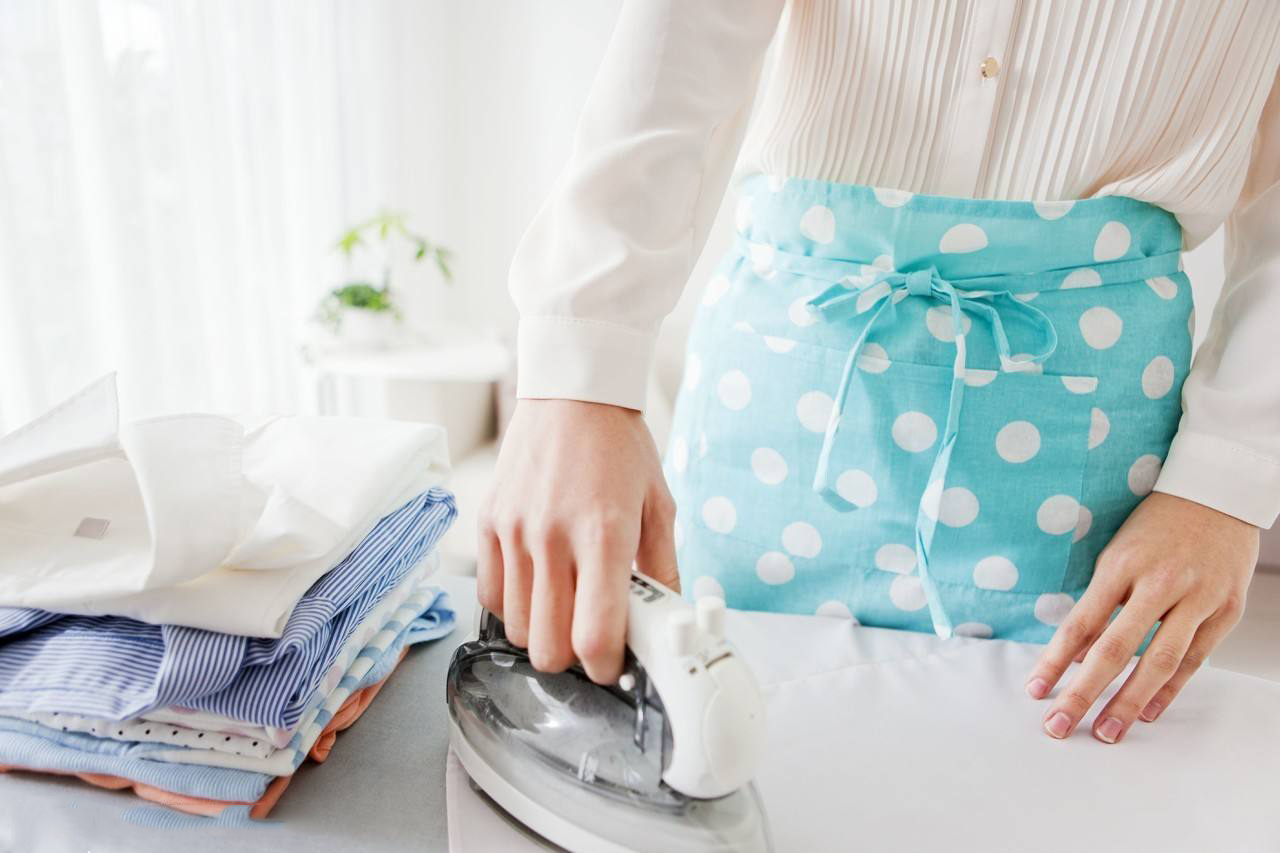
1. Preparatory work
One steam iron, one ironing table and one thin cotton cloth.
2. Basic ironing principles
Ironing principles: (1) first iron the reverse side, then the front side; (2) iron the part first and then the whole.
The order of ironing is: seam > welt > placket > pocket > back > front > shoulder sleeve > collar.
The ironing sequence of trousers is as follows: waist > seam > hem > body.
The ironing order of the shirt is: seam > sleeve > collar > back > small pleat > front shoulder.
3. Ironing methods and techniques of sweaters, trousers, shirts and necklines
1. How to iron sweaters
Sweaters, knitted materials, such as clothing, if you use the iron to iron directly will damage the elasticity of the organization, at this time, it is best to use steam iron to spray water on the wrinkles; if the wrinkles are not very severe, you can also hang them up and spray water directly at the wrinkles, which will be natural and smooth after they are dried. Another method is to hang them in the bathroom and use the hot steam from the bath to make them smooth.
2. Ironing method for trousers
The order is as follows: turn the pants over, open the pockets, iron the crotch, then the pocket, the corner and the cloth seam, then the front, the inside of the right foot, the outer side of the right foot, the inner side of the left foot, and the outer side of the left foot. Finally, close the two legs of the trousers together for decoration.
3. Collar ironing technique
When ironing the neckline, pay attention not to stretch it out of shape, it is better to fix the shape and then iron it; if there is a collar piece, don't iron the collar fold line to death, as long as after ironing, while it is still warm, fold it with your hand and press it gently, so that the collar piece will look more alive.
4. How to iron the shirt
Collar: flatten the front and back sides of the collar, iron it from the tip to the middle, repeat the previous action on the back of the collar, fold the collar from the seam and iron it, shape it, press the collar into an arc with the fingers of both hands while it is hot, press the middle part of the folded collar firmly, and the upright feeling of the collar will appear immediately.
Cuffs: close the front of the shirt, lay the back on the ironing table, iron the back of the sleeves, and then iron the cuffs; finally, turn over to iron the front of the sleeves
Sleeve: lay the sleeve on the ironing table, flatten it at the middle seam of the sleeve, and iron it back and forth
Front and back: hold the top of the shirt placket with the left hand, and iron the shirt from the hem to the shoulder with the right hand. Be sure to smooth and iron.
4. Ironing tips
1. The clothes to be ironed should not be too dry in the air. If the clothes are too dry, they should be evenly sprayed on the smooth board surface before ironing, or the clothes should be padded with wet cloth twisted dry.
2. If there are small mildew spots on the clothes, wash them with vinegar and then iron them.
3. Prepare a piece of square pure cotton cloth as a cushion cloth, because it will shine and whiten after a long time by ironing directly on the surface of clothes, so a piece of cotton cloth needs to be covered on it for ironing.
4. Ironing should be done in accordance with the grain lines of the material. In case of oblique cutting, it should also be ironed along the lines.
5. In general, when ironing clothes, the reverse side should be ironed first, and then the front side; the thick ones should be ironed first, and then the thin ones; the nylon should be ironed first, and then the cotton linen.
6. Chiffon yarn and other thin materials need to be ironed at a lower temperature. Do not press too hard to avoid breaking.
7. If the wrinkles of clothes are too deep to be ironed, spray some diluted white vinegar on the clothes and then iron them. It will be easy to iron, without repeated ironing to damage the fabric.
8, ironing women's clothing, you can first spray a few drops of perfume, ironing the clothes emitting fragrance.
9. If the iron is not smooth when used, wrap some candle fragments in old cotton cloth and rub the bottom of the iron.
10. After ironing, the clothes should not be packed or put into the closet immediately, but should be hung up immediately to dissipate the damp heat and keep it neat and tidy, so as to reduce the possibility of mildew and odor.
5. How to use iron correctly
1. The steam iron is usually used for household irons. If it is polyester or silk, it is better to cover it with cotton cloth to prevent the clothes from being damaged.
2. When ironing with the power supply on, pay attention to the ironing effect and the change of the smell and color of the fabric (especially the natural fiber fabric). If there is a slight change, the power supply should be cut off immediately. If the temperature is not enough in the process of ironing, turn on the power again.
3. If a non steam iron is used, to protect clothes, wet cloth can be padded on the clothes for ironing. Since the water is to be divided into steam, the temperature will drop rapidly. At this time, the ironing speed should be slowed down. The water can be evaporated and diffused evenly and the temperature distribution can be even.
Ironing techniques
Cashmere products: after drying, use an electric steam iron with medium temperature (about 140 ℃) for ironing. The distance between the iron and cashmere sweater is 0.5-1cm. Do not press it on it.
Synthetic fiber: chemical fiber clothing due to poor moisture absorption, heat resistance is different, therefore, to master the ironing temperature is the key, ironing method is basically the same as other cotton and wool fabrics. Nylon fabric is wear-resistant and elastic, but the ironing temperature should not be high, so a dry cloth should be used as a pad for ironing. Polyester fabric is wear-resistant and does not like wrinkle, so it can be dried after washing without ironing. Due to the variety of chemical fiber clothing, the temperature is difficult to grasp. Before ironing for the first time, you can try to iron the inconspicuous parts inside the clothes, and iron them with rabbits.
Cotton and linen fabrics: steam can be turned up. Generally use the method of ironing inside, if the front should be padded with clean white cloth. The colored clothes should be ironed first, and the temperature should not be too high, so as to avoid the reflection and bright after ironing, or cause the phenomenon of discoloration, which will make the clothes brittle. When ironing linen and cotton linen blended fabrics, the temperature of the iron should be low, and the inside of clothes should be ironed first, and the cloth should be padded to prevent the clothes from being damaged by fuzzing.
Silk fabrics: due to poor wrinkle resistance after washing, shrinkage often occurs in silk garments, which will affect the beauty without ironing, so the washed silk garments must be ironed. When ironing, the temperature should be appropriate and the method should be appropriate. To iron at low temperature, the iron temperature is generally controlled between 110 ℃ and 120 ℃. If the temperature is too high, it is easy to make the clothes discolor, shrink, soften and deform, and even damage the clothes in serious cases. The temperature of clothes with delicate color and light color and blended silk clothing should be lower. When ironing, do not use too much force. The iron should move continuously. Do not stay in one place for too long. Do not iron the silk surface directly with iron, but iron with cloth or the reverse side of clothes to prevent aurora. Water marks affect the beauty and washing quality.
Tie: the fabric of the tie is silk, and the lining is usually made of fine cloth or linen. To use low and medium temperature, ironing speed should be fast, ironing should be padded with a dry cloth, do not let steam directly stick to the tie.
Pleated skirt: iron the skirt first, fix the position of all the wrinkles, and then iron the crease marks one by one. After ironing each fold mark straight, lift the fold position and iron its bottom to further fix the fold position.
Shirt: iron from top to bottom. Collar: ironing from the outer ends of both sides to the middle; sleeves: ironing from the bottom of the sleeves to the shoulders; body: ironing the front, then the back.
Suit pants: turn the trousers upside down and press the inside trouser pocket straight; put the pants back to the front, press the inside of the trousers to the outside, and then iron the bottom of the trousers. It is not suitable for direct ironing. A thin cloth should be padded before ironing.