1. Juvenile turtles overwinter
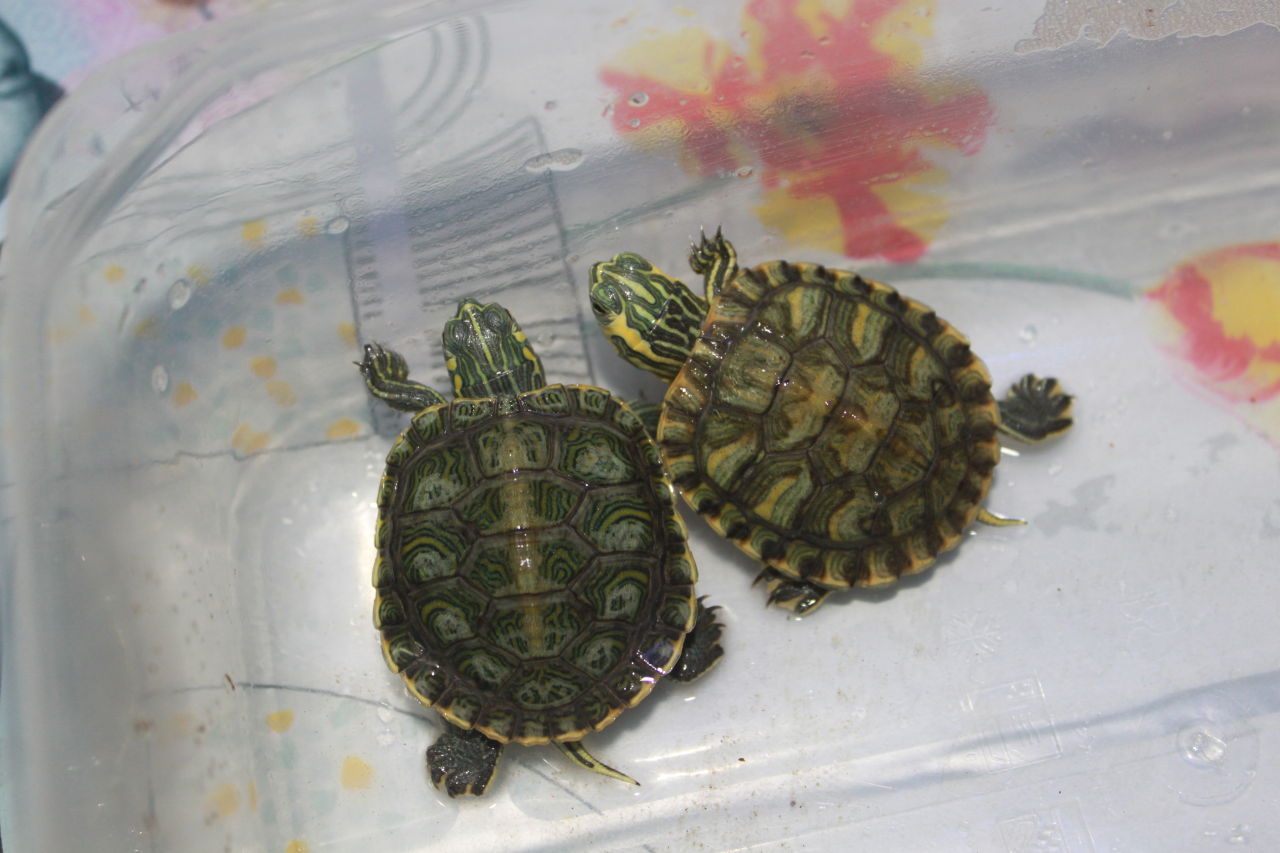
A little turtle that has just come out of its shell is called a juvenile turtle. After hatching from the eggs, the juveniles have weak physique and poor adaptability to the external environment. During a long period of overwintering, they consume more physical energy. If they are not managed properly, the mortality rate is very high. From the beginning of frost, the juveniles stopped feeding. The juveniles should be transferred from outdoor to indoor ponds within 1 week after the frost (the end of October). The indoor pool should be filled with sand in advance and washed with clean water or tap water. After the juveniles dive into the sand, the pond should be covered with nets to prevent the invasion of enemies.
The sediment should be kept in a certain humidity, and it should be kneaded to form a mass without water accumulation. When the sediment is too dry, spray water to wet, and the temperature difference of water shall not exceed ± 2 ℃. The temperature of indoor overwintering pool should be kept above 0 ℃ to prevent the water from freezing and the juvenile turtle will die when it reaches the freezing point. When the temperature is too low. Straw curtains can be placed on the pool. Juveniles do not feed during the winter, and the general density is 100-150 per square meter. The juveniles are filial and tender. Before the light snow (the last ten days of January), whether the water temperature meets the theoretical requirements or not, the overwintering work of juvenile turtles must be finished.
2. Young turtles overwinter
After overwintering, juveniles are more than 2 years old in the following year, and those with immature gonads are called juveniles. The ability to resist low temperature is not strong. If you stay in the outdoor natural pool for winter, the density should not be too high, 20-30 per square meter. The water depth is more than 1m. 10 to 20 cm thick silt is placed at the bottom of the pool. A cold proof frame is set up on the pool. Plastic film is placed on the shelf. One or two ventilation pipes are left. Straw curtain is covered on the film to survive the winter.
Such as indoor cement overwintering, overwintering method is the same as that of juvenile turtles. Since 1978, more than 5000 young turtles have been overwintering in outdoor burrows, and the effect is very good. Specific methods: dig a 50-60 cm deep earth pond in a sheltered and sunny place. The size depends on the number of young turtles and adapts to local conditions. The mouth of the pond is built with wooden sticks or wooden boards, which are used as antifreeze soil, covered with straw curtain and piled with mud. The drainage ditch should be excavated around. If 2-3 air holes are left in the sunny part of the pond mouth, the young turtles can spend the cold winter safely.
3. Overwintering with turtle
1. In order to make the body of the parent turtles recover balanced after laying eggs, feed more protein and fat before overwintering. Fresh animal feed and compound feed were put into production simultaneously. In the feed, lysine, methionine, multidimensional, etc. were added to the diet to store a certain amount of nutrients in the body of overwintering parent turtles. In order to achieve the goal of disease-free and early prevention, some Chinese herbal medicines such as red and blue flowers, chrysanthemum, licorice and Banlangen can be added to each 50 kg of food to feed them with decocted juice.
2. Winter pool should choose a quiet place to avoid the wind and the sun. There should be 20 cm thick mud at the bottom of the pool, so that turtles can dive into the mud to survive the winter. In order to make the turtle have a good water environment after hibernation, the water in the breeding pond should be disinfected before overwintering. 100 to 200 grams of quicklime should be used per square meter, and the water should be replaced after 8 days.
3. Before overwintering, the parent turtles should be strictly checked for tinea. It is required that the body color of the parent turtle is normal and the body is strong. The turtle with hook fishing, fork catching, electric fishing, body surface disability and slow crawling should be released alone, and can not enter the pool for winter.
4. After frost fall and before light snow, 1 / 3 of the pond area should be put into the breeding pond. Too much grass should not affect the light. Crop straw should be used to build temporary windbreak at four corners of the pond to prevent sudden attack of cold current.